
Access to education
Access to education
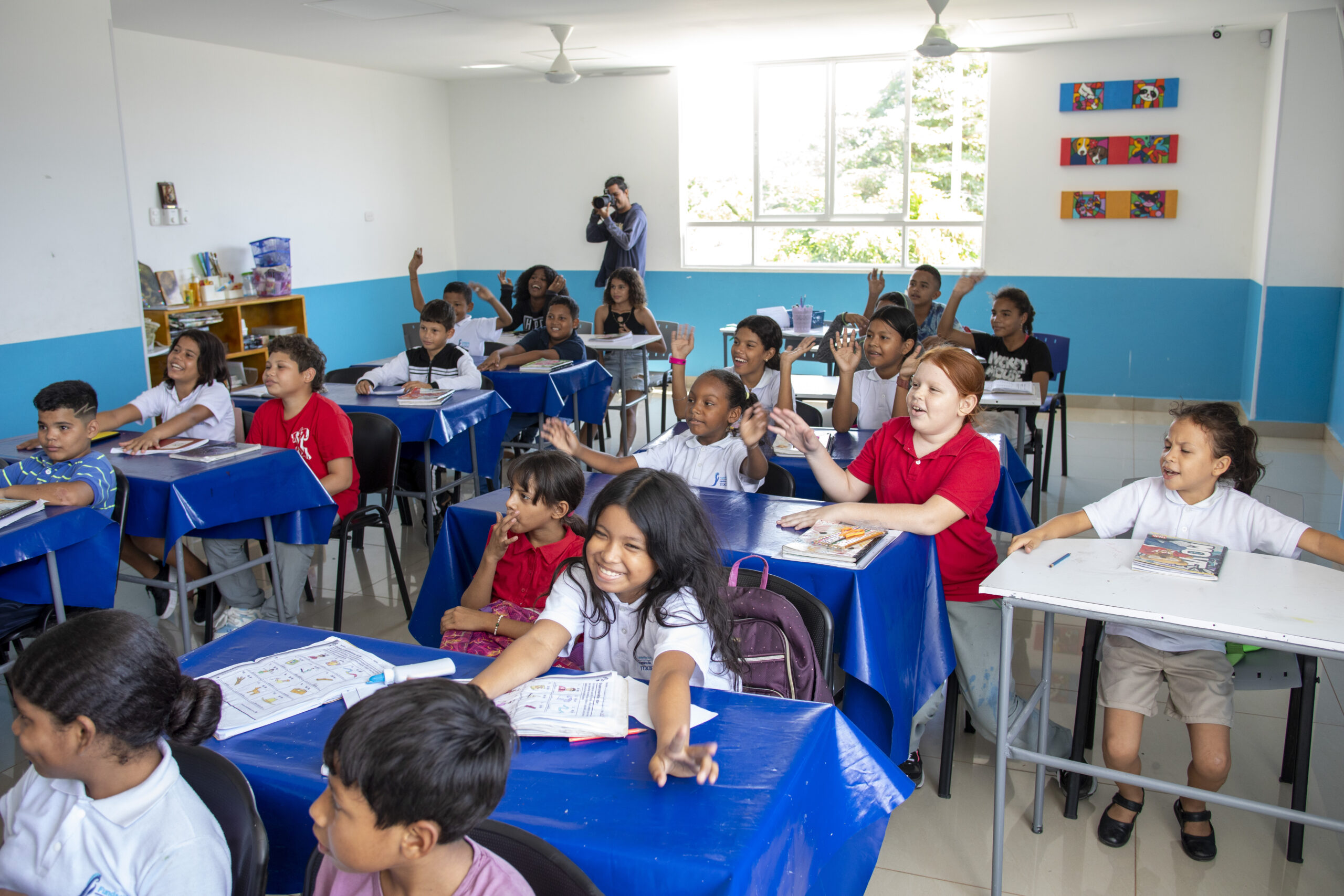
Our schooling program is designed to break down the barriers to education for children and adolescents, helping them integrate into the public educational system. Many participants in the "Plan Padrino Una Luz de Esperanza" have experienced long interruptions in their education, are overage for their grade, or have never attended school. They also face challenges with documentation. We work to find alternative solutions to overcome these obstacles, ensuring their successful integration into the educational system.
Services
- Adaptation of children, adolescents, and parents to the educational environment.
- Academic preparation for children and adolescents who are out of school or overage for their grade.
- Management of placements and scholarships at public and/or private educational institutions.
- Literacy programs for children and adolescents.
- Academic reinforcement to enhance school performance.
- Monitoring of children and adolescents in the educational institutions where they are enrolled.
- School routes to public schools.
- Institutionalization of children with disabilities.
- Educational pathways for children with diagnosed and undiagnosed learning difficulties.
Impact Figures
Access to education
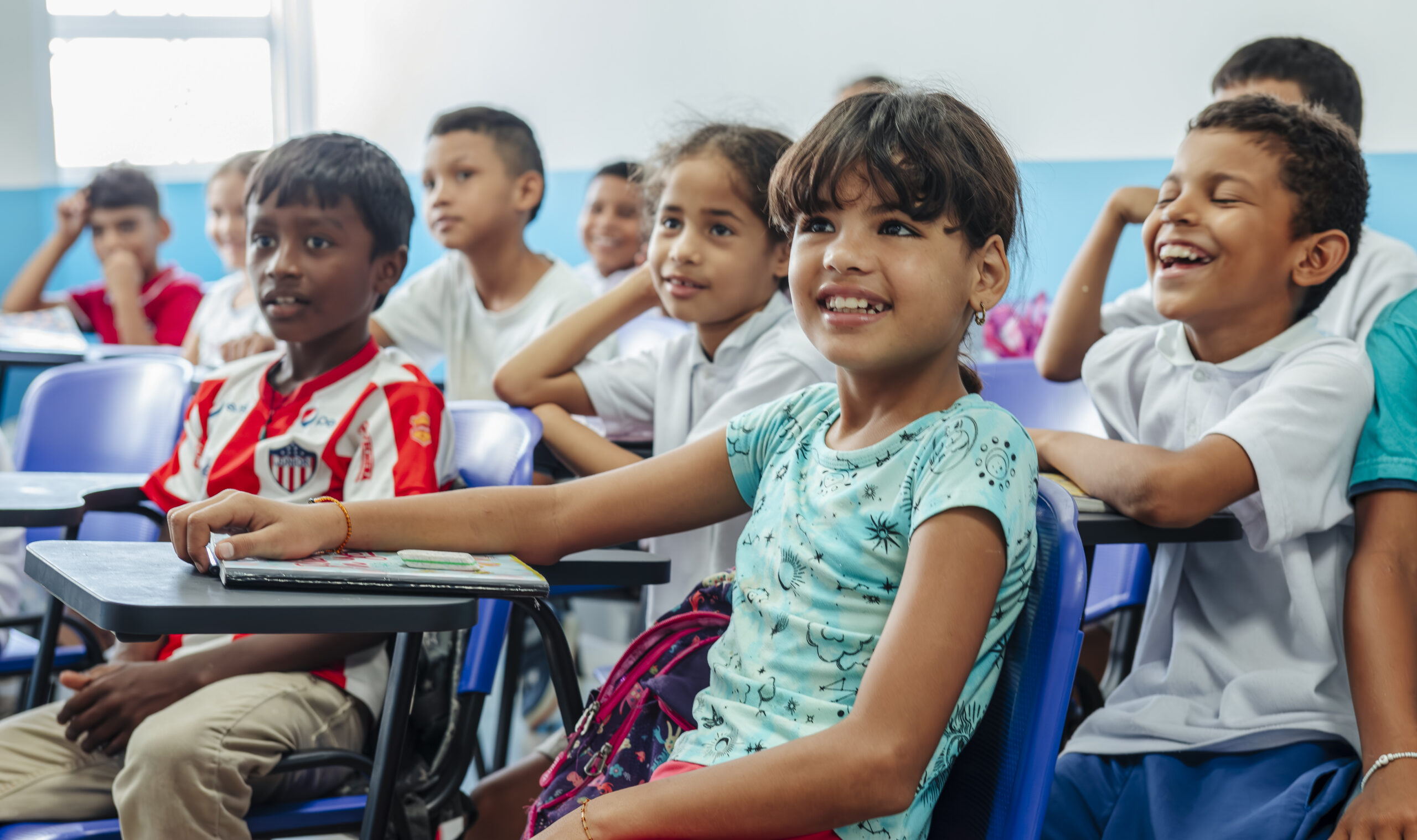
For 3.5 consecutive years (2023-2024-2025 - June 2026) we have served an average of 231 children and adolescents, achieving at the end of each period a rate of 95% of children who were active, enrolled in school and graduated, with only 5% dropping out or relocating without entering an educational institution.
As of June 2026, we have served 213 children. Only 3% (6 children) relocated or dropped out without enrolling in school. The 97% (207 children) enrolled in school, graduated or relocated and enrolled elsewhere demonstrate the program’s success and the transformation children experience through it.
School Meals
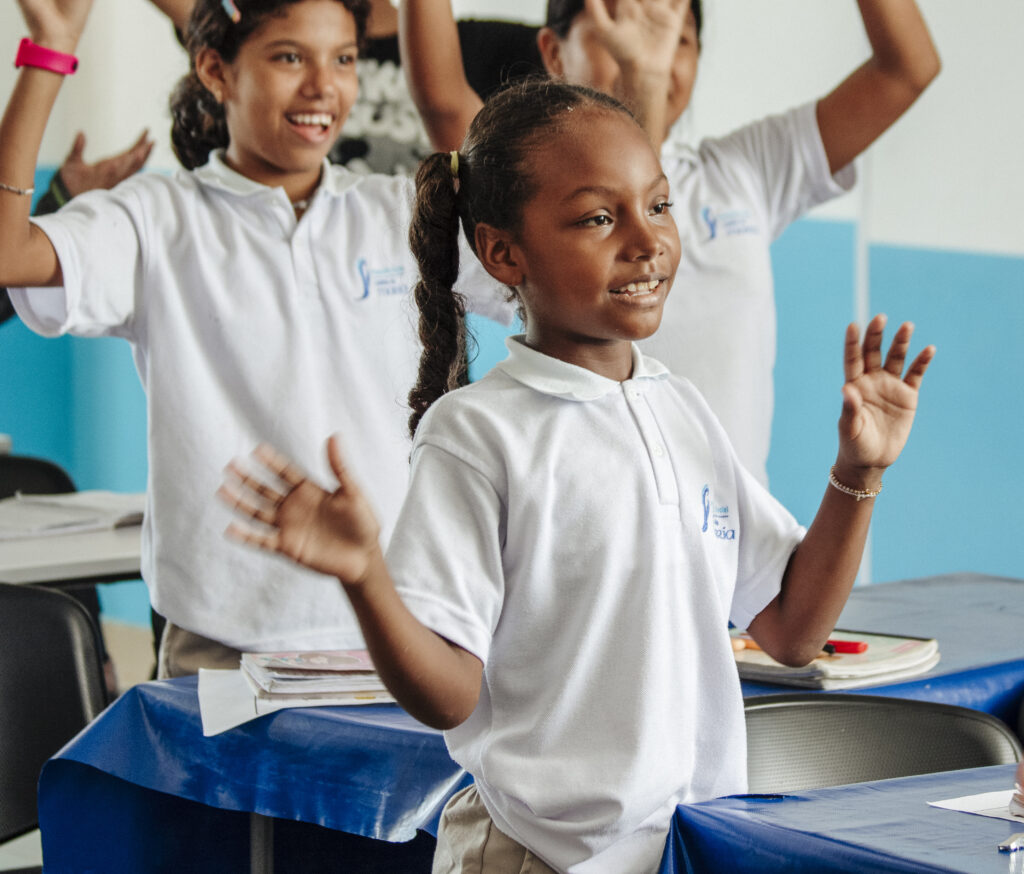
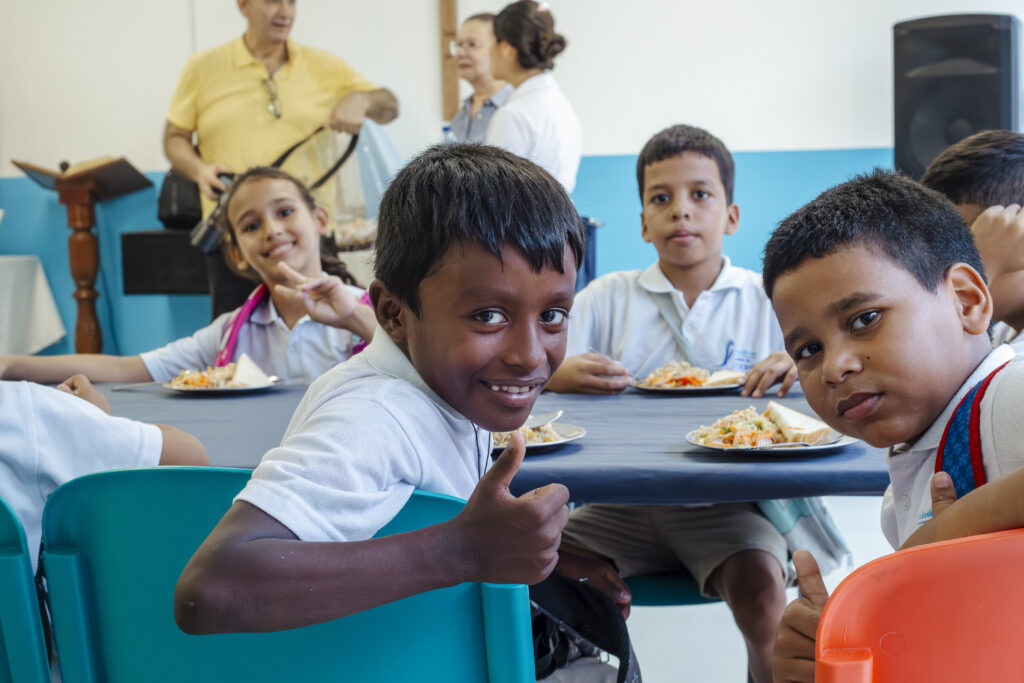
The Foundation has continuously served balanced breakfasts and lunches Monday through Friday over the past 3.5 years (2023-2024-2025 - June 2026) to ensure the children's physical development and their retention in its programs, being in many cases their only daily meal.
During these periods, an average of 33 breakfasts and 65 lunches were served daily to our beneficiary children and adolescents.
The importance of this meal service stands out, given that many of the public educational institutions our beneficiaries attend are not covered by the School Feeding Program (PAE).